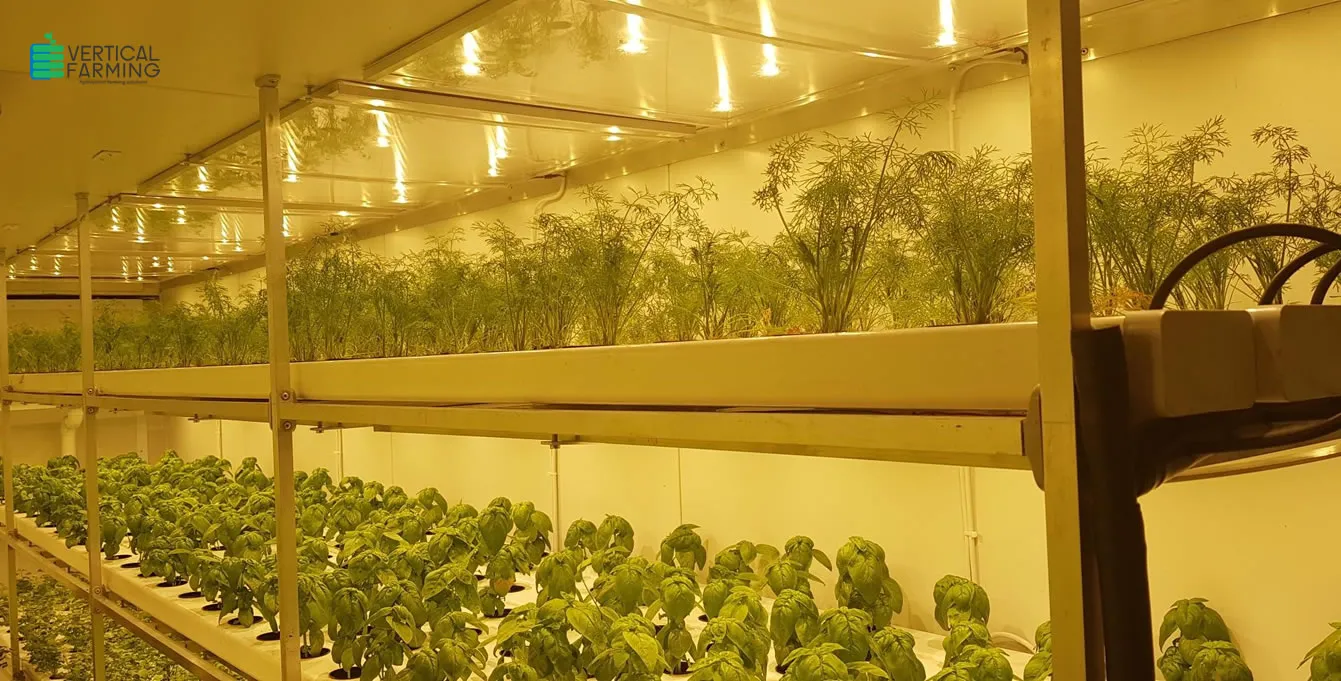
Basil and dill growing on two levels under LED light in a container farm

News from the growing edge.

Project notes from South Africa, and what’s changing in urban farming, vertical farming, and controlled environment agriculture worldwide.

Latest articles

Local · 30 October 2026

R1.2 billion to support land-reform farmers

Minister of Land Reform and Rural Development Mzwanele Nyhontso has launched the Integrated Land Reform and Rural Development Support Programme, with R1.2 billion set aside for this financial year. Announced at Nywarha Village in the Eastern Cape, it is meant to give land-reform farmers more than the land itself: funding, technical advice, skills, infrastructure, and a way to reach buyers. The department is working with the Land Bank, the Development Bank of Southern Africa, and the Industrial Development Corporation. Each province is due between R100 million and R170 million, and R500 million has already been committed through the Land Bank’s blended finance scheme.

Read the full article on Food For Mzansi ↗
Local · Announcement

agripreneur.co.za is coming soon

We’re building a home for South Africa’s new generation of agripreneurs — people starting their own urban farms, hydroponic tunnels, and container farms. Until it launches, the best way to start is to talk to us.

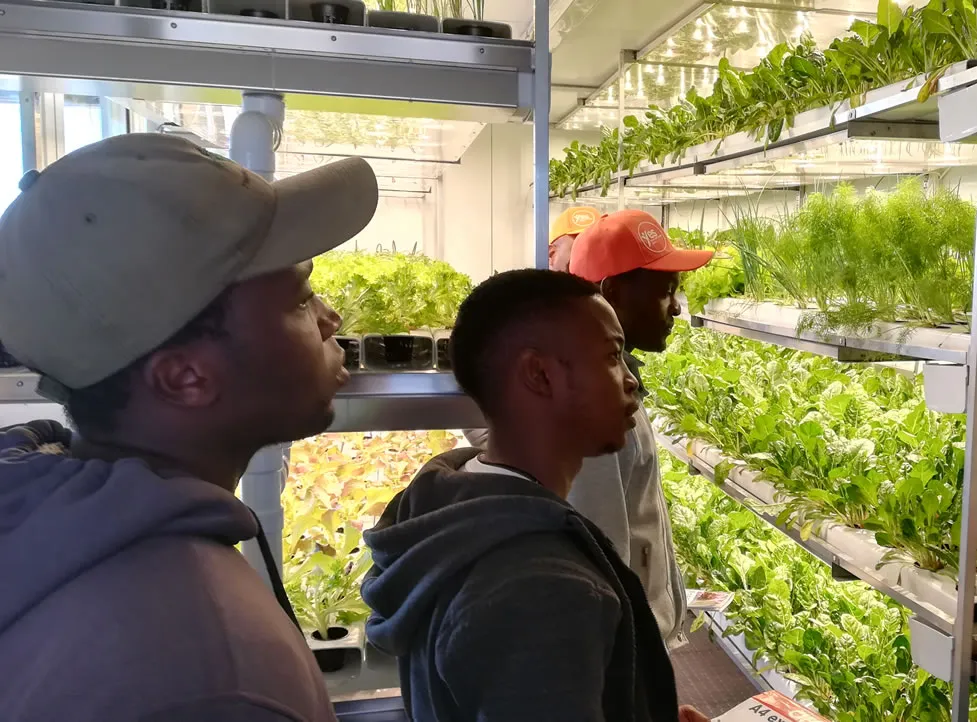
Visitors looking at stacked trays of greens inside the YES Hub container farm

Local · Thembisa

How South Africa’s first local commercial container farm took root

When we built the container farm at YES Hub in Thembisa, no South African company had built a commercial shipping-container farm before. Inside a standard container, stacked racks, LED lighting, and a hydroponic system turn a few square metres into a year-round farm. It proved that controlled environment agriculture could be built — and run — locally.

See the project →
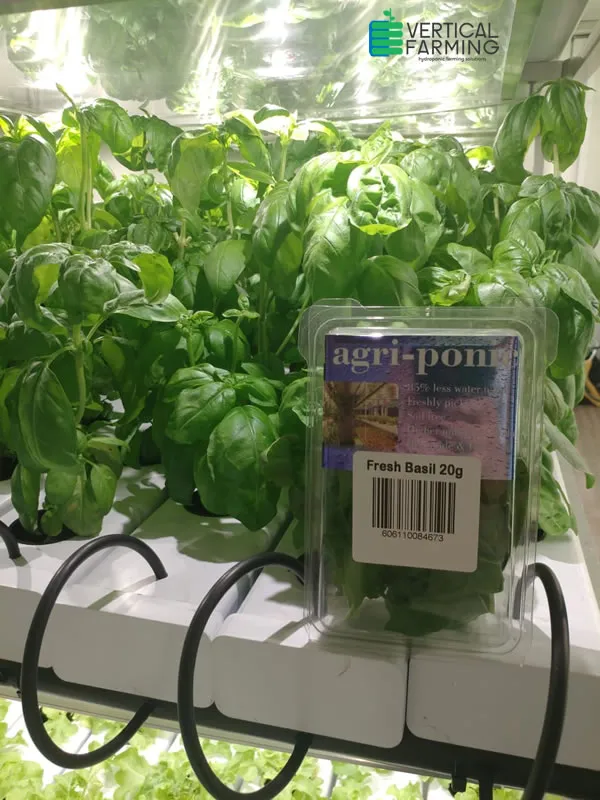
A punnet of fresh basil in front of basil plants in a container farm

Local · Project note

Basil, 50 metres from the shelf

Our pilot set out to answer a simple question: is urban farming viable next to the people who buy the food? A container farm was placed about 50 metres from a SPAR supermarket. Our client farmer grew leafy greens and basil and walked them to the store, fresh. For that supply, transport and cold-storage costs fell by 100%.

See the project →
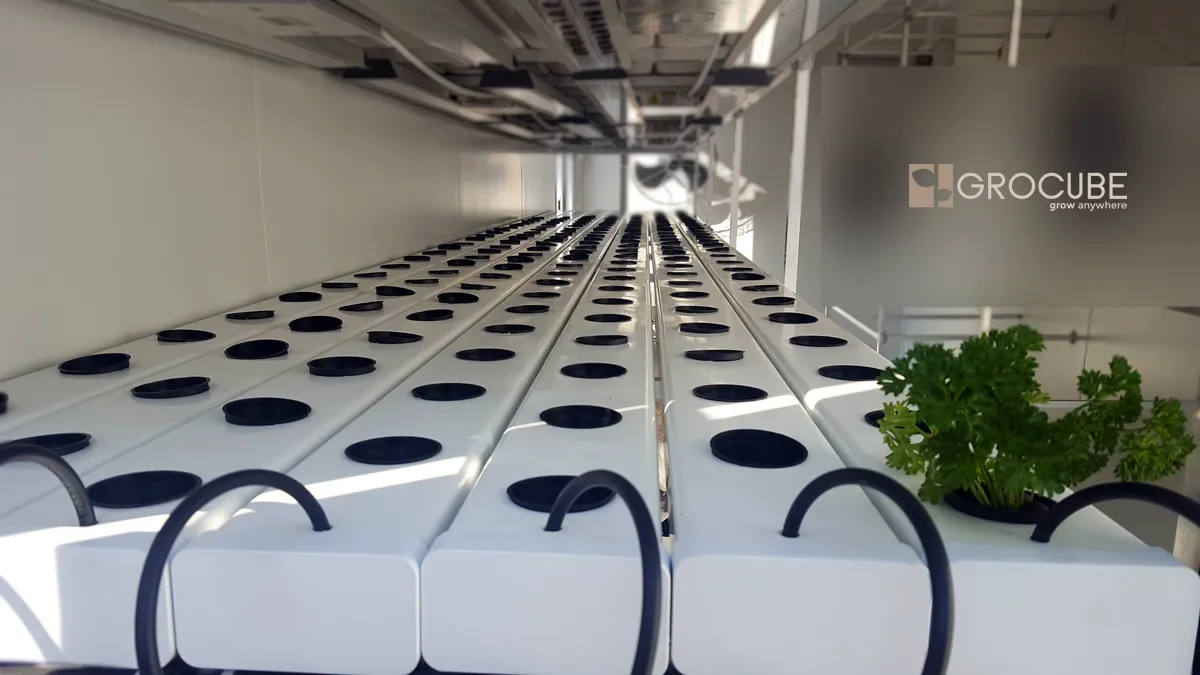
Hydroponic channels inside a container, with one parsley plant growing

Global · Explainer

Why vertical farms are moving into cities

Around the world, vertical farming is moving food production into warehouses, buildings, and shipping containers. Stacked layers, LED lighting, and hydroponics allow crops to grow all year on a fraction of the land — up to 99% less than conventional farming — with recirculated water cutting use by up to 95%. The biggest win is location: farms close to city buyers mean fresher food and far fewer kilometres on the road.

What is vertical farming? →
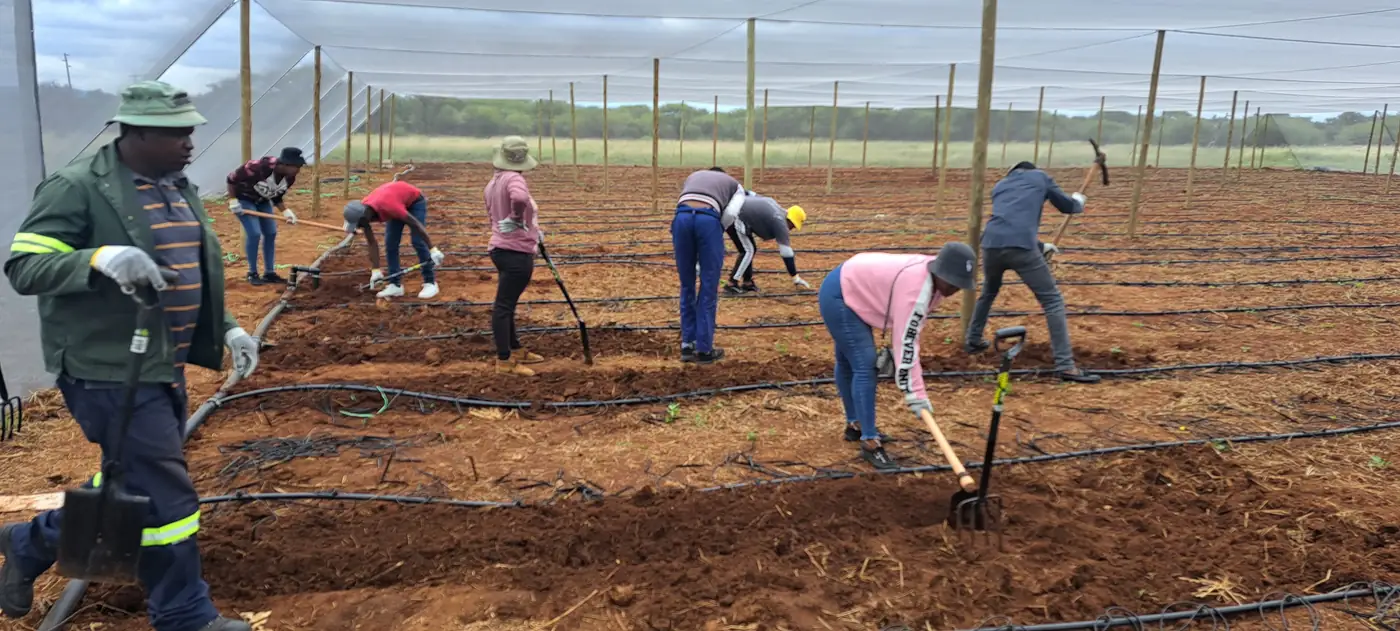
Community members preparing beds along drip lines under shade net

Local · Rust de Winter

Nethouses for two Rust de Winter communities

Open-field farming is exposed to heat, hail, pests, and water loss. For two communities in the Rust de Winter region, we built large nethouses with drip irrigation instead. The shade net protects the crop, and the drip lines deliver water straight to the roots. As on every project, local teams were trained on site to plant, irrigate, and harvest.

See the project →
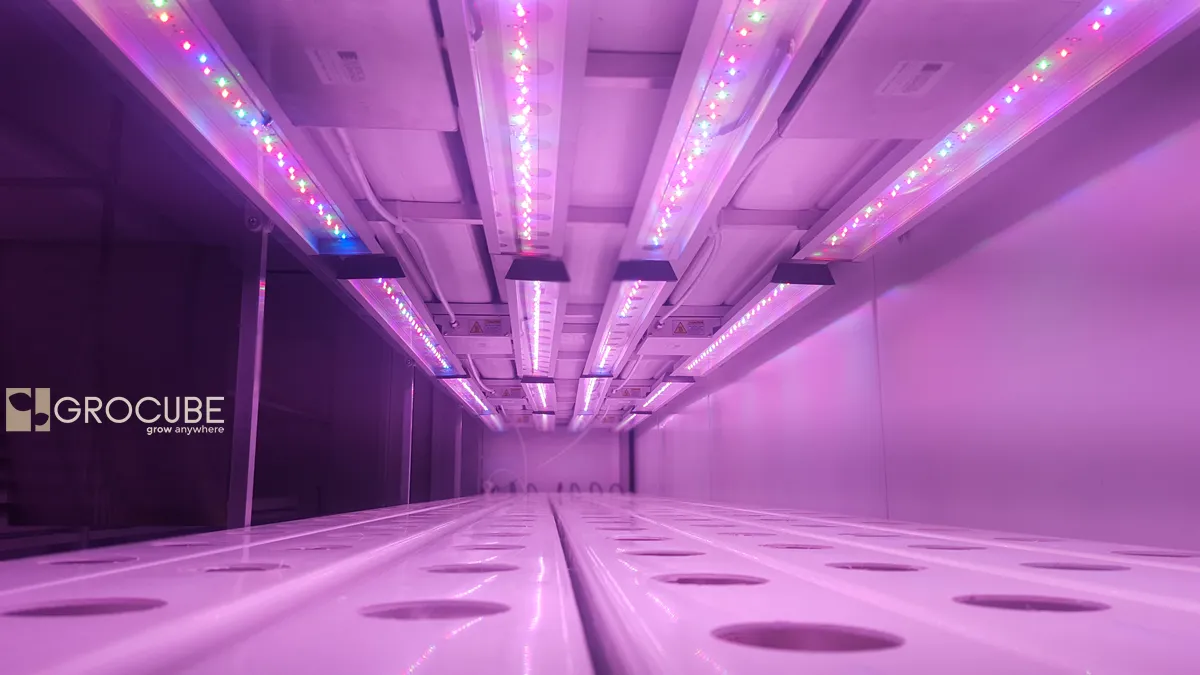
Pink and blue LED grow lights above rows of white growing channels

Global · Explainer

CEA: why controlled environment agriculture is growing

Droughts, heatwaves, and long supply chains are pushing growers worldwide towards controlled environment agriculture. Instead of relying on the weather, CEA manages light, temperature, humidity, water, nutrients, and CO₂ inside a structure — from a sealed container farm to a hydroponic tunnel or nethouse. The result is a more predictable harvest, every season.

What is CEA? →
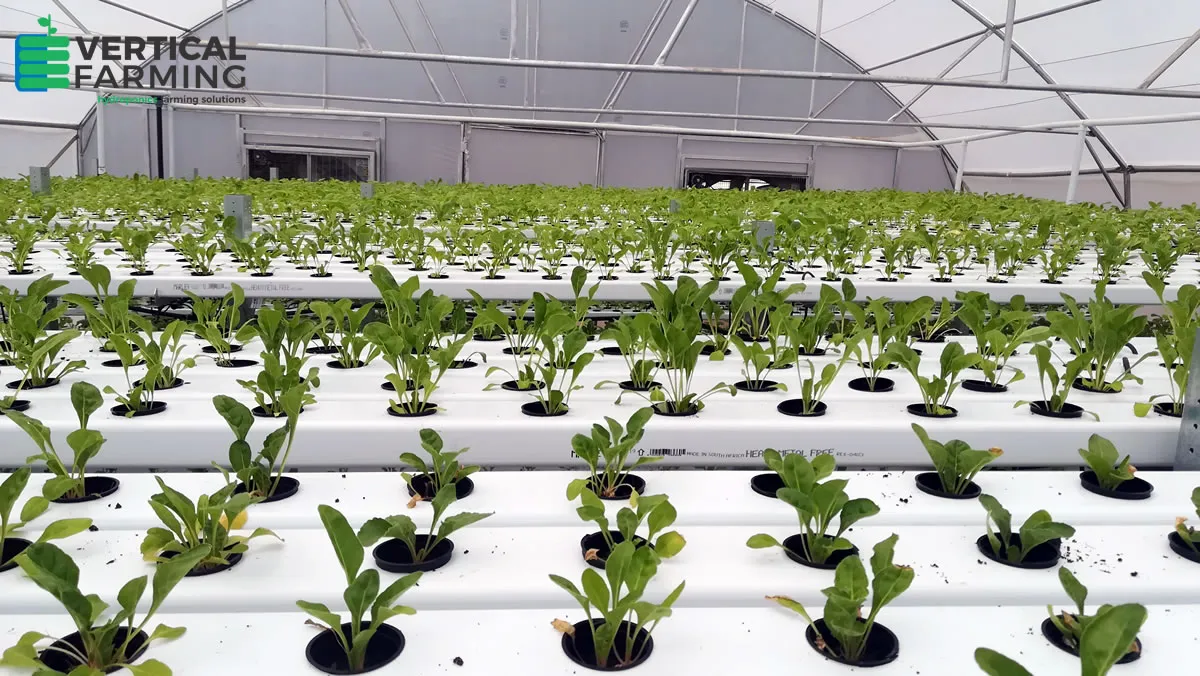
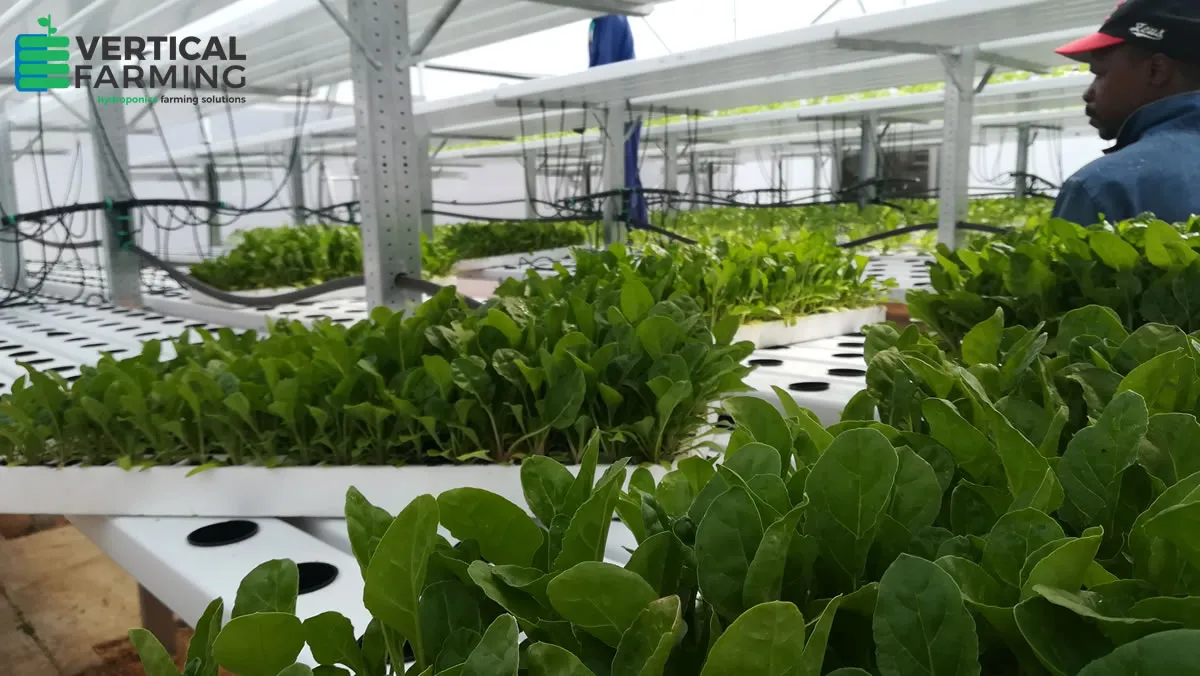
Young leafy greens in rows of white hydroponic channels inside a tunnel

Regional · Botswana

Fresh vegetables for a Botswana lodge

Remote lodges often truck vegetables in over long distances. A lodge in Botswana asked us for a better way, and we built an NFT hydroponics tunnel on the property. A thin film of recirculating nutrient solution feeds the roots, using little water — so the kitchen can serve guests greens grown on the property.

See the project →
Leafy greens growing in white NFT channels

Global · Water

Hydroponics in dry regions: more food, less water

In water-scarce regions, from southern Africa to the Middle East, hydroponics is gaining ground. Because nutrients are delivered in water straight to the roots — and in systems like NFT the water is recirculated — hydroponics uses 80–90% less water than traditional soil farming, while plants grow faster and yield more.

What is hydroponics? →

Make the next story yours.

Interested in becoming an urban farmer? Talk to us for the best solution.

Talk to us