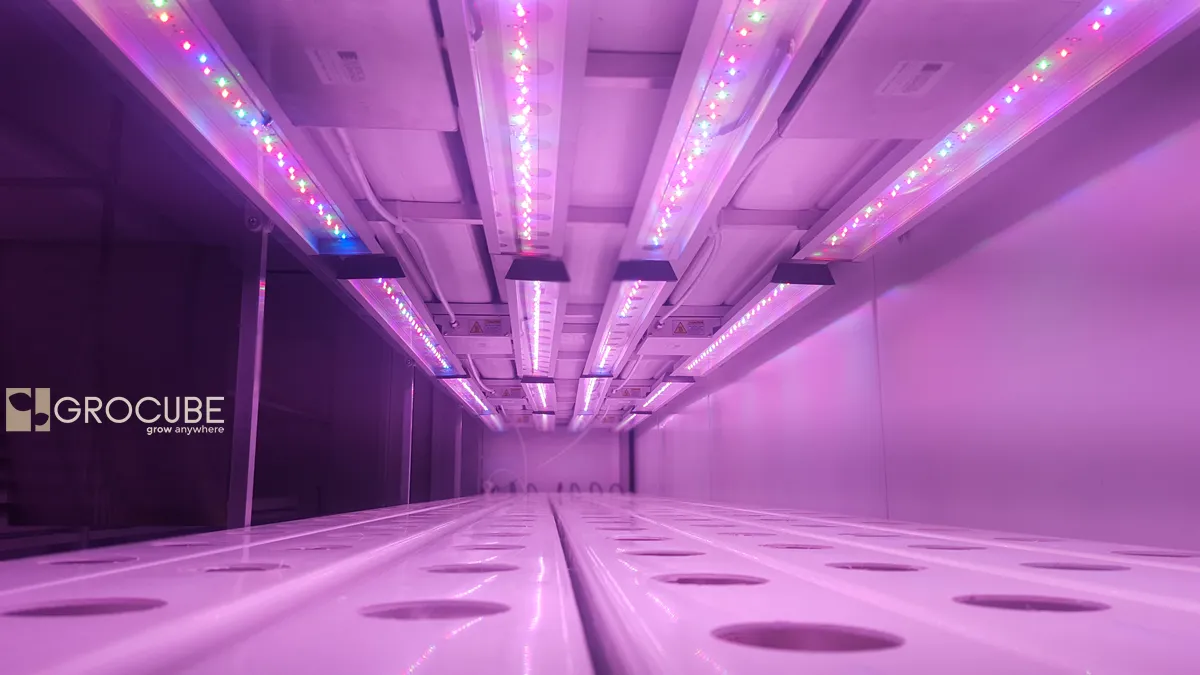
Hydroponics
What is hydroponics?
Hydroponics is a way of growing plants without soil, in a water-based nutrient solution that delivers essential minerals directly to the roots. The term comes from the Greek for “water” and “labour”. Plants absorb nutrients more efficiently, so they grow faster and yield more than in traditional farming. It uses 80–90% less water, reduces the need for pesticides, and makes it possible to grow food in cities, deserts, and other places where soil is poor or space is limited. Lettuce, leafy greens, and herbs are especially suited to it.
NFT hydroponics
What is the nutrient film technique?
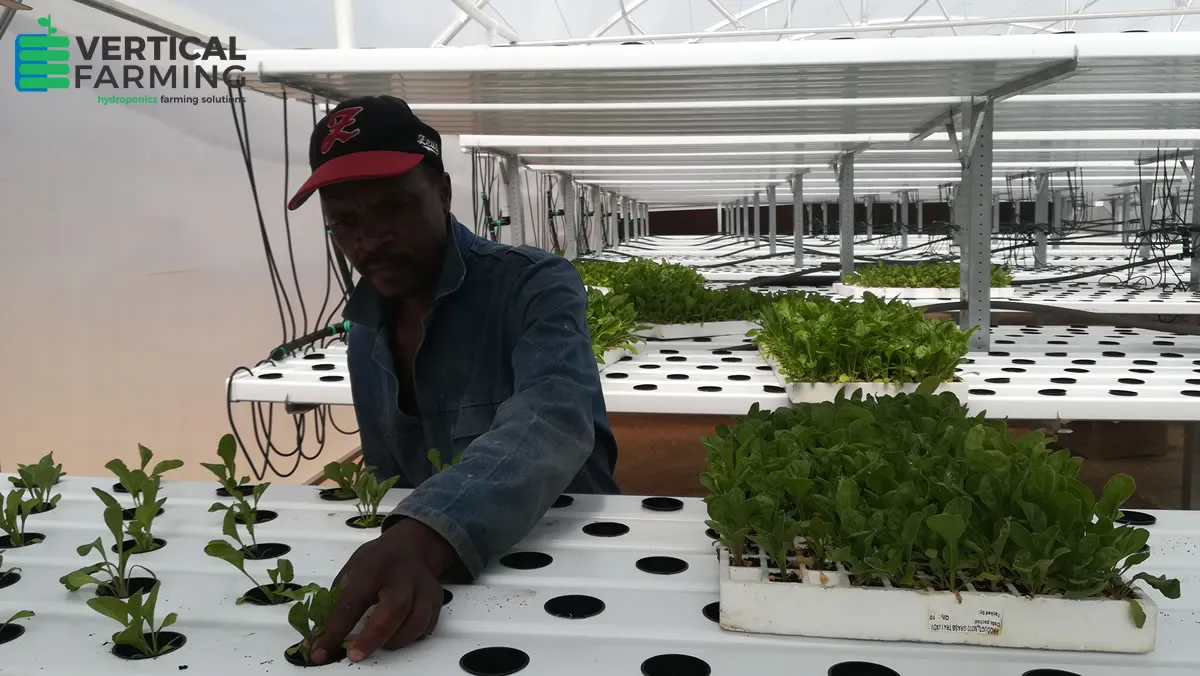
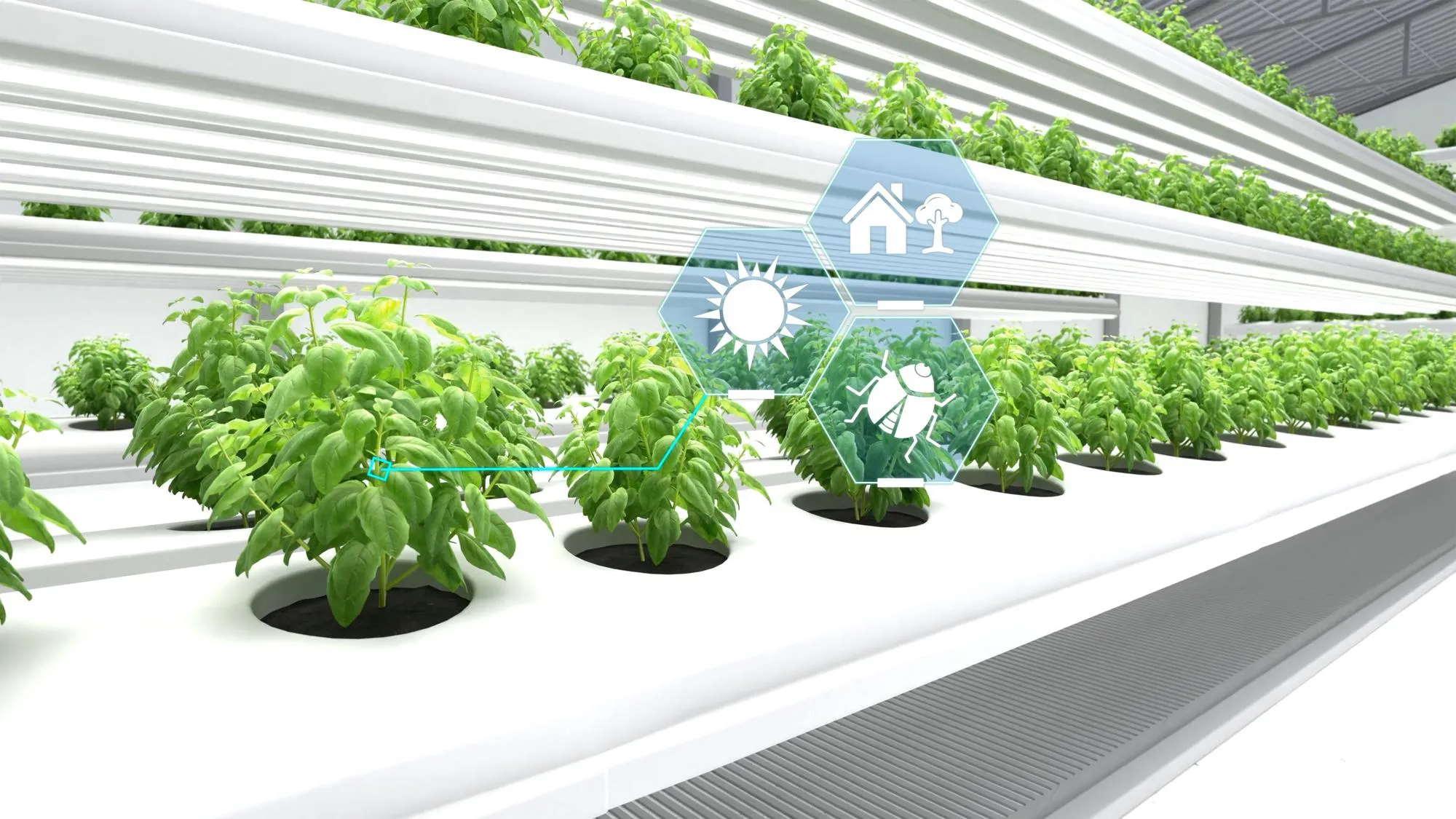
NFT is a hydroponic method where a very shallow film of nutrient solution flows continuously down slightly sloped channels. Plant roots sit in the channel, drinking from the film while their upper part stays in the air for oxygen. The solution is collected and pumped back round, so very little water is lost. It is simple, efficient, and ideal for fast-growing leafy crops.
Urban farming
What is urban farming?
Urban farming — or city farming — is cultivating, processing, and distributing food in or around cities. It turns rooftops, vacant lots, backyards, and indoor spaces into productive sites, using methods from community gardens and soil plots to hydroponics, aeroponics, and vertical farming. It improves access to fresh, local food, supports food security in areas without fresh produce, shortens the distance from farm to plate, and can create local jobs. It ranges from personal gardens to commercial operations supplying markets, restaurants, and institutions.
Vertical farming
What is vertical farming?
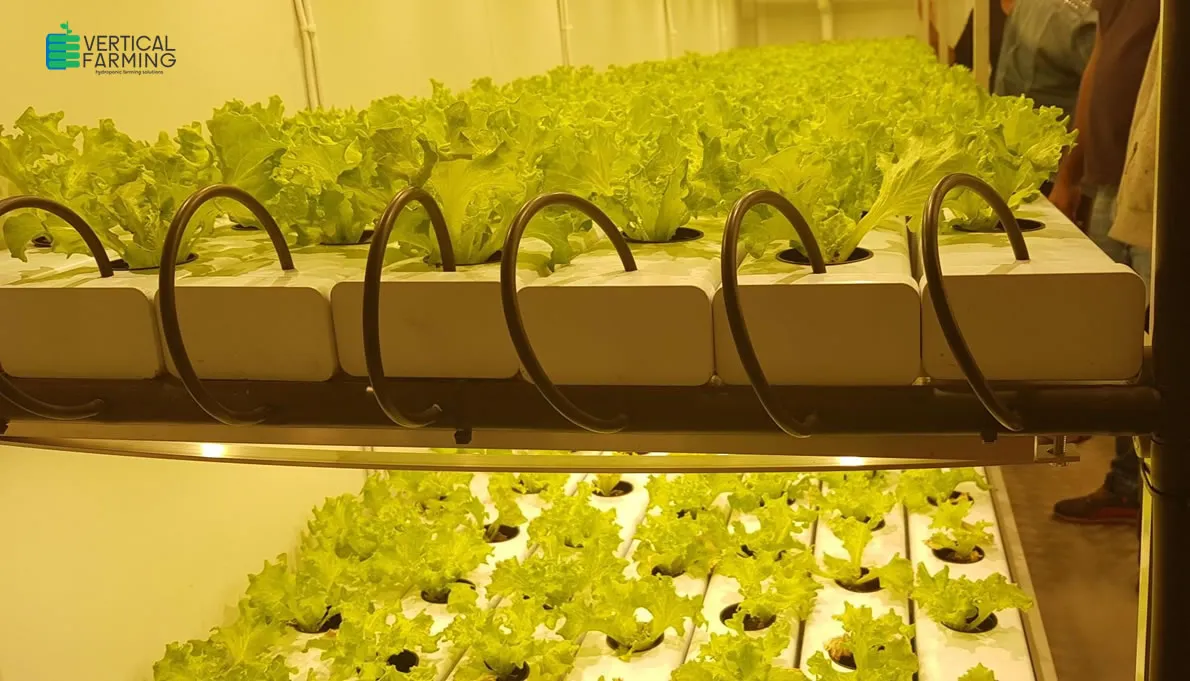
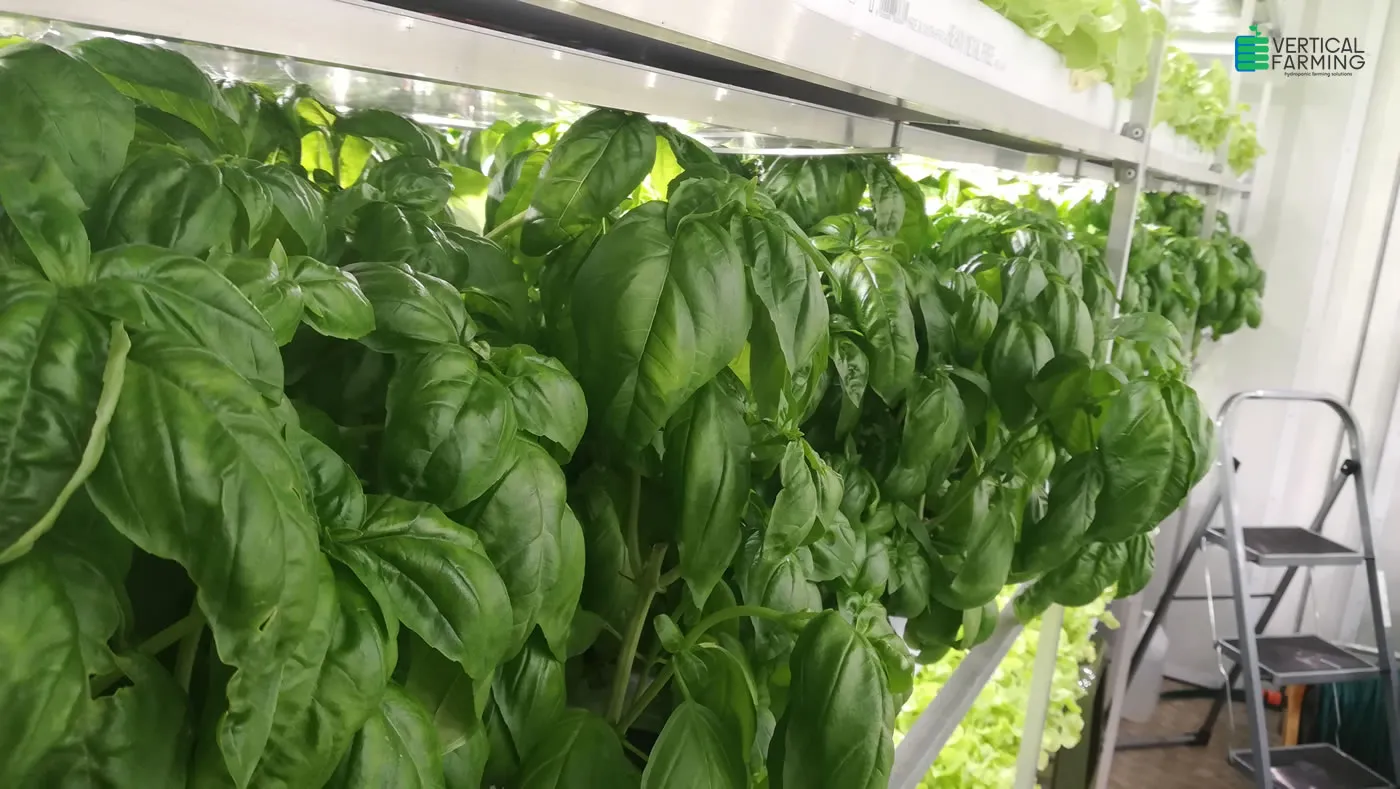
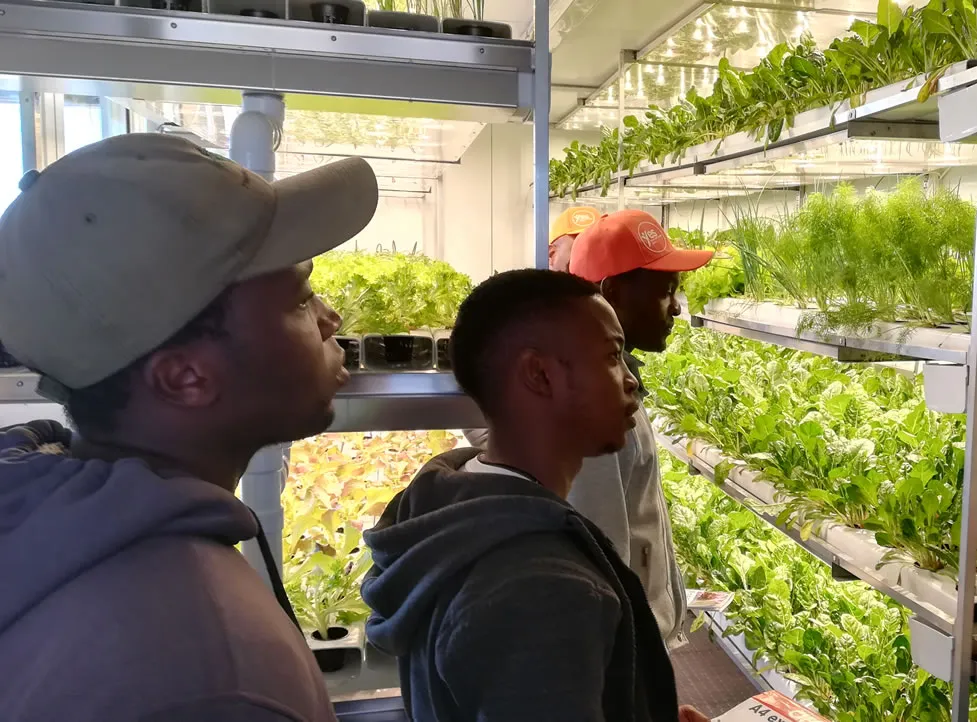
Vertical farming grows crops in stacked layers or vertical structures, usually indoors in warehouses, buildings, or shipping containers. It relies on soilless methods like hydroponics, with temperature, humidity, LED lighting, and CO₂ controlled for year-round production. Stacking crops gives far higher yields per square metre — up to 99% less land than conventional farming — while recirculated water cuts use by up to 95%, and pesticides are rarely needed. It suits fast-growing, high-value crops like leafy greens, herbs, and small fruits, grown close to cities.
CEA
What is controlled environment agriculture?
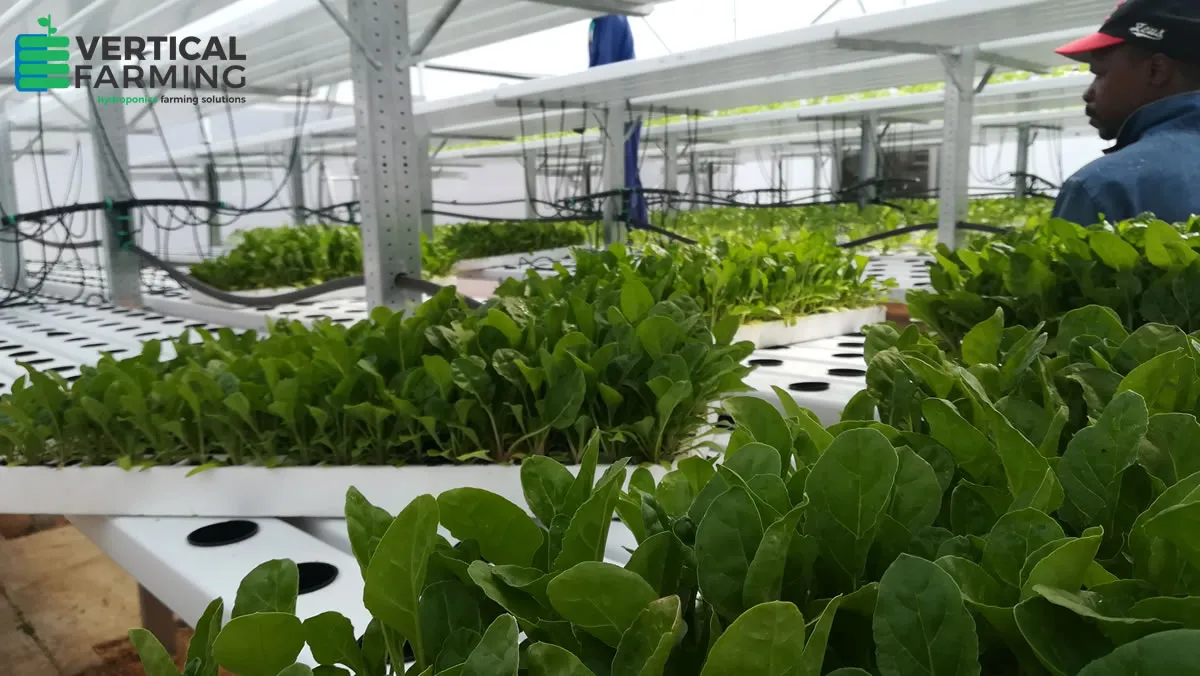
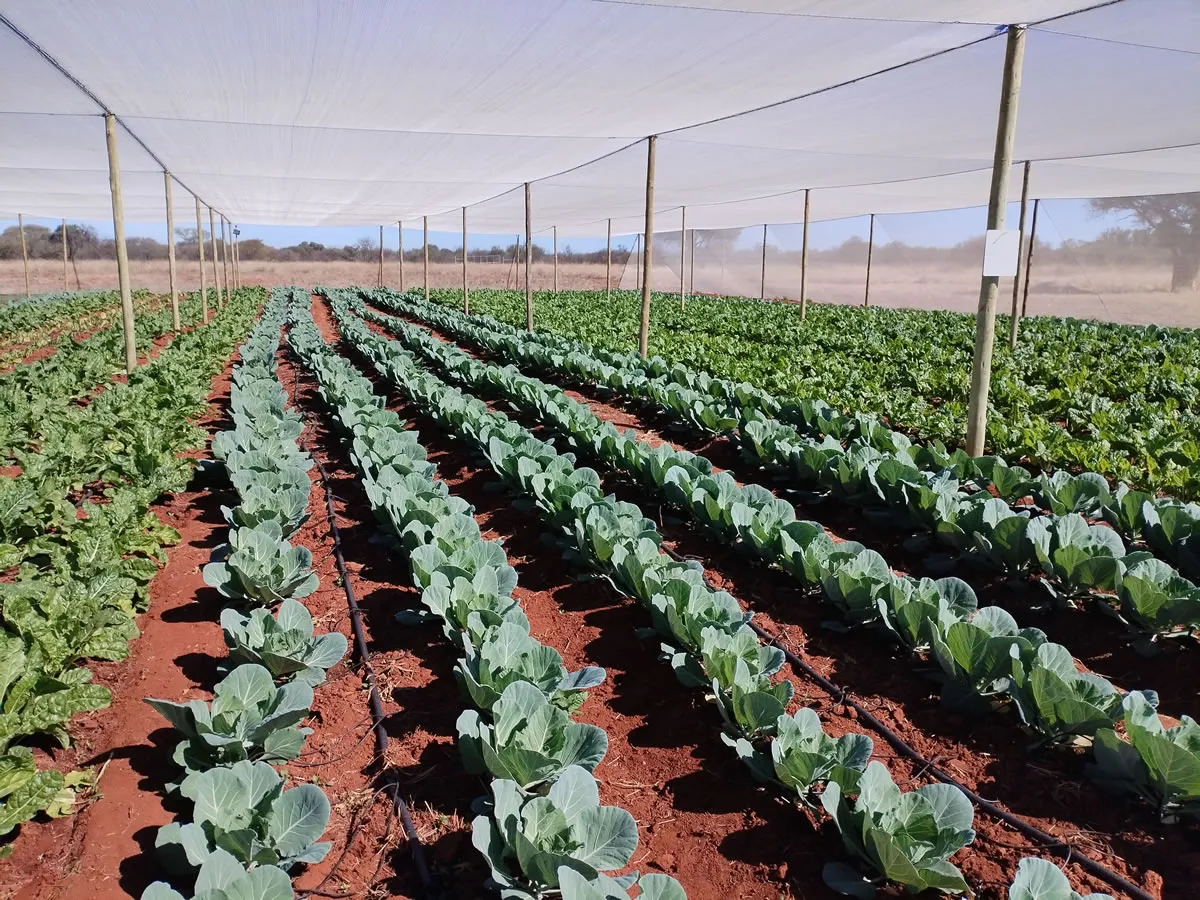
Controlled environment agriculture (CEA) is the umbrella term for growing crops inside a structure where the conditions are managed rather than left to the weather — light, temperature, humidity, water, nutrients, and CO₂. Container farms, vertical farms, hydroponic tunnels, and nethouses all sit on the CEA spectrum, from fully sealed indoor rooms to protected outdoor growing. The more you control, the more predictable the harvest.